A press release is a document written for a wire service that no longer exists, addressed to a general reader who no longer reads.
For most of the twentieth century, that was a reasonable arrangement. The wire distributed. The general reader read. The company announced, and the world learned. It worked because the intermediaries — reporters, editors, newsrooms — were a bottleneck the company could pay to pass through.
The bottleneck is gone. What replaced it is not, as feared, a flood of noise; it is a thousand small rooms of specialists who read carefully and remember what you said last time.1
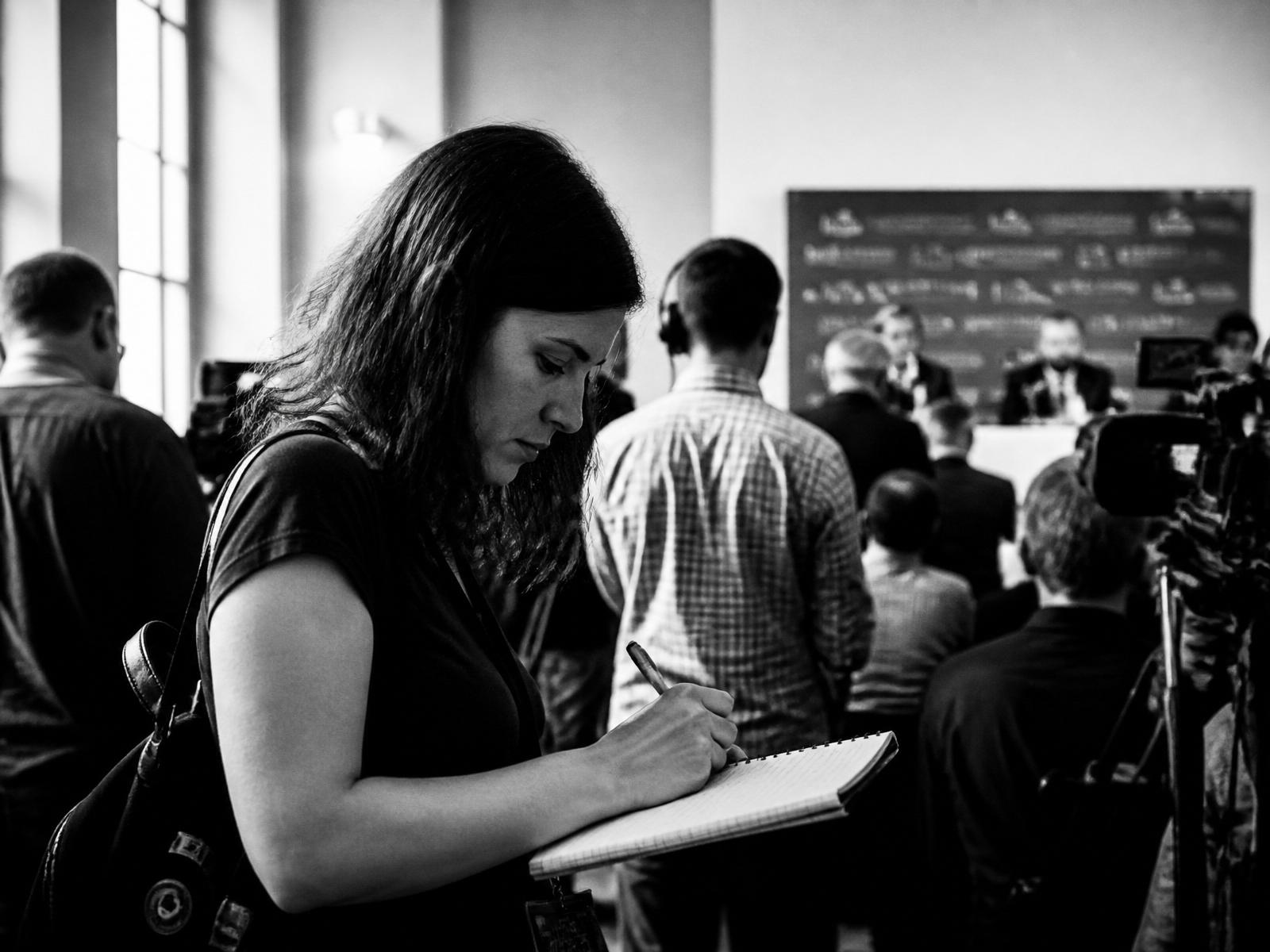
The teams that have understood this write differently. They write for a named reader — an editor, an analyst, a policy maker — and they trust that reader to bring the rest of the audience with them. The document changes. The cadence changes. And the definition of a good result changes: not the clip, but the sentence the reader carries into the next conversation.
This is slower, harder, and enormously more effective. The organisations doing it best publish less, edit more, and refuse to announce anything they cannot still stand behind two years later.